
Reviews
Cooperative Escape Challenge stands out for its genuine need for two-player coordination. The obstacles are well-crafted, requiring both strategic thinking and quick reactions. Tool management adds a nice layer of depth without overcomplicating things. It is a solid choice for friends looking for a short but engaging session that tests their ability to work as a team.
Description
Core Cooperative Mechanics
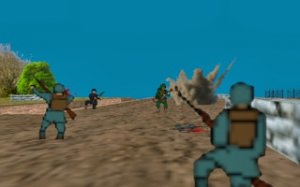
Cooperative Escape Challenge places two players in a shared environment where success depends entirely on coordinated effort. Each person controls a character that must navigate through areas filled with barriers and hazards. The game requires constant communication to time movements and use available items effectively. Unlike single-player experiences, here your partner's actions directly impact your own progress, creating a dynamic where planning together is essential. The core loop involves identifying safe routes, signaling when to advance, and covering each other during tricky passages.
Tool Usage and Strategy
Throughout the levels, players can pick up various items that serve as tools for overcoming obstacles. A baseball bat, for instance, can be used to clear certain barriers or create temporary safe zones. The key is knowing when to deploy these resources rather than wasting them early. Some tools have limited uses, so players must decide together whether to save an item for a more dangerous area or use it immediately to secure a quick path forward. This adds a layer of strategic depth beyond simple reflex-based play.
Environment and Obstacle Design
The game world consists of interconnected zones that gradually increase in complexity. Early areas introduce basic obstacles like moving barriers and narrow corridors, while later sections combine multiple hazard types that require precise timing. The environments are designed to force players into situations where they must rely on each other, such as one player holding a gate open while the other dashes through. This design ensures that cooperation is not optional but a required part of the experience.
Reflex and Timing Challenges
Quick reactions play a significant role in Cooperative Escape Challenge. Many obstacles require split-second decisions, such as dodging a fast-moving barrier or passing through a narrow window of opportunity. The game tests both individual reflexes and the ability to synchronize actions with a partner. Missing a cue can mean starting over from a checkpoint, which encourages players to stay focused and communicate clearly. This blend of mental and physical coordination keeps each session engaging.
Progression and Replayability
As players advance, they encounter new obstacle patterns and tool types that keep the gameplay fresh. The cooperative nature means that even after completing a level, replaying with a different partner or trying alternative strategies can yield a different experience. There is no fixed story, but the sense of progression comes from mastering increasingly difficult sequences. The game rewards practice and teamwork, making each successful clear feel earned.








Comments
Sign in to leave a note
You must be logged in before posting a review or rating.
No account? Create one
No comments yet. Be the first to comment!